

Fire Fighting Pipeline

Hydrant Networks
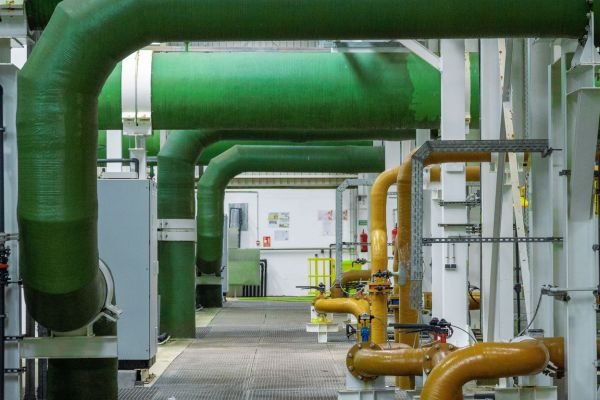
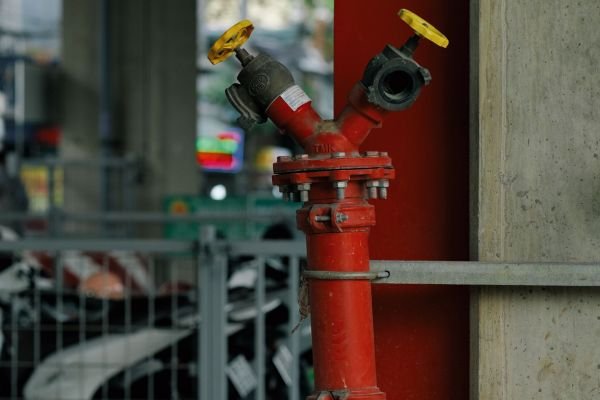
Underground and above-ground hydrant ring mains with hydrants, monitors and isolation valves.

Sprinkler & Deluge Systems
Sprinkler mains and deluge piping for tank farms, transformer bays and process areas.

Pump House Piping
Fire water pump suction/discharge manifolds, headers and valve stations.

Foam Systems
Foam solution piping for tank protection and loading gantries.

Modification & Extension
Extension and rerouting of live fire networks with minimal protection downtime.

Testing & Commissioning
Hydro testing, flushing, flow tests and assistance in statutory / insurer inspections.

Layout & Hydraulics Review
Network layout, hydrant coverage and flow requirements verified against codes.

Fabrication & Coating
Pipe fabrication with corrosion protection suited to buried and exposed service.

Erection & Valve Stations
Laying, erection, thrust blocks, hydrants, monitors and valve installation.

Flush, Test & Commission
Flushing, hydro test, flow verification and handover with test records.

HSE & quality, built in.
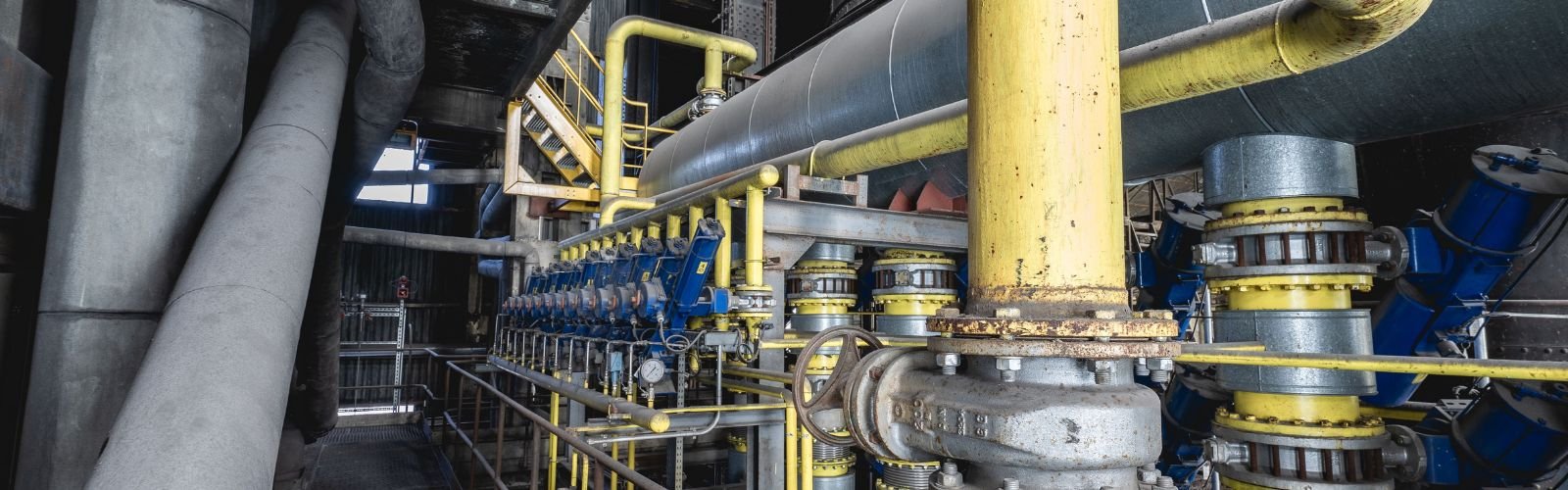
Every job runs under our HSE policy — hazard identification, EHS-trained crews, permits and stage-wise quality checks with full documentation.